Liminal Mind
Consciousness is not the ghost in the machine. It is the friction caused when a machine—biological or bureaucratic—attempts to process infinite reality into finite data. My art attempts to capture the heat of that friction.
Artist Statement
Chris George / Liminal Mind
I began photographing professionally forty years ago. Long before I had language for what I was doing — before I encountered Heidegger’s phenomenology, before I understood Bohm’s implicate order, before I had the vocabulary of complexity theory — I was already engaged in the same inquiry: what happens at the point of contact between a human being and a system that cannot perceive them.
I have ADHD. I name this not as mitigation but as methodology — and not as personal circumstance but as political fact. Mark Fisher argued that the epidemic of depression, anxiety, and attention disorder wasn’t primarily biological failure but rational response: the inevitable consequence of a system that demands impossible flexibility, strips away stable identity and community, and then pathologises the distress this causes. The unhappiness is real. Its framing as personal deficit is the ideological move. My mind works laterally, associatively, across fields that don’t normally touch each other — Welsh industrial history, quantum physics, institutional theory, phenomenological philosophy. This is not despite the ADHD. It is the ADHD, undamaged by a system that tried to process it as dysfunction. The practice accumulates across decades through immersion rather than programme. It cannot be produced any other way.
The through-line of my career is embedded observation inside the machinery of capitalism at every scale and temperature. I have never worked from outside the institutions I document. I lived at Clays Lane Housing Co-operative in Stratford from 1982 — one of the few genuine experiments in collective self-governance that post-war Britain produced — serving on its steering committee and photographing the community from within. When the estate was demolished for the 2012 Olympic Park, my images became primary archive. I had been inside something worth saving before anyone decided to erase it.
I photographed for NAAFI from 1990 to 1992, signing the Official Secrets Act and watching the British imperial infrastructure contract in real time from inside Officers’ Messes in Western Germany, the Falklands, Ascension Island and Northern Ireland. I was inside the imperial body as it discovered it no longer had an empire to serve. I spent the dot-com era inside Easynet and Cable and Wireless as those institutions rose and collapsed — social purpose extracted, communities of practice dissolved, the wreckage absorbed into the next configuration of capital.
Then I went to work for capital directly. I photographed City of London law firms and investment banks — Kirkland and Ellis, Cleary Gottlieb, Renaissance Capital, Danske Bank — making the portraits that said: this is legitimate, these are the people you can trust with your money. I was inside the self-representation machinery of the system that had consumed my grandparents in Ebbw Vale, the system that had demolished Clays Lane, the system that had hollowed out every institution I had previously inhabited. I made those images well. I was trusted with them. Blue chip clients returned repeatedly because I understood what they needed their faces to say.
I worked under algorithmic monitoring, hitting sales targets measured to the decimal point, my productivity scored and ranked in real time by systems that registered output and nothing else. I know what it feels like to be processed by a machine that cannot perceive you. I have been on both sides of the lens — making the image of legitimacy and being ground by the logic it concealed. That knowledge is not theoretical. It is in the body.
Fisher called this hauntology — not as melancholy but as political force. The spectre of what was destroyed and the spectre of what never got to happen, both active in the present, refusing to let us settle for the mediocre satisfactions available within capitalist realism. I did not arrive at Fisher’s framework as a theoretical position. I arrived at it as recognition. The slow haunted time of Clays Lane, the acceleration of the dot-com bubble, the managed decline of NAAFI, the digital audit culture of V2C — I had lived these as successive emotional textures before I had names for what I was moving through. The theory was the vocabulary for experience already accumulated.
The 1986 diary on my desk contains dated portrait addresses — Kazuo Ishiguro, Iain M. Banks, Helen Chadwick, Scanner, David Toop. A primary historical record made before I understood it as such. Near Llantwit Major, undigitised, sit the negatives of thirty years of editorial portraiture — experimental music figures, Rough Trade artists, literary figures of the 1980s. The archive exists because I was in those rooms. The meaning of what I was recording only became legible later.
This is the central concern of the practice: what it means to witness something before you understand what you are witnessing. Photography as anti-entropy — the act of preserving what a system is about to erase from its own record. The portrait as the moment when a person presents themselves to be seen, held against the administrative record as the moment a system processes them without seeing them at all.
The remaining work of my practice is the reckoning. Not commentary on these systems from a safe distance, but the full deployment of forty years of formation against the logic that produced it. I was made by capitalism — formed inside its institutions, trusted with its self-image, ground by its metrics, marked by its nuclear experiments in my own tooth enamel. That formation is now the instrument.
Quantum Memory and the Unveiling of Being
Documents the Welsh industrial communities whose embodied knowledge is disappearing within a biological window of ten to fifteen years — the generation whose bodies carry what extraction capitalism produced and then discarded. With the sonic architecture of Robin Rimbaud/Scanner, the academic frameworks of the George Ewart Evans Centre for Storytelling at USW, and the complexity thinking of Dave Snowden’s Cynefin framework. The installation does not illustrate these concerns. It enacts them: RFID ritual objects encoding the superposition of presence and absence, portrait reveals requiring thirty seconds of visitor stillness, timestamp receipts recording the exact moment of witnessed disclosure.
Other Lives
Fabricates the biographies of people whose futures were foreclosed by Thatcherite Wales — the possibilities that never happened, the potential that was structurally eliminated. The Falklands strand is autobiographical. The philosophical frame is Heidegger’s Geworfenheit — thrownness, the condition of finding yourself already inside a situation you did not choose. The artistic lineage is Boltanski and Fontcuberta: the archive as the site where truth is constructed, contested, and sometimes recovered.
I am not a writer who makes photographs. I am not an academic who uses images as illustration. I am a photographer whose forty years of embedded practice — inside cooperative housing, imperial institutions, dot-com acceleration, corporate image-making, algorithmic monitoring — generated a body of inquiry that required theoretical vocabulary to become fully legible. I found that vocabulary, late, in Heidegger and Bohm and Fisher and complexity science. The AI tools I use in developing proposals and articulating frameworks are assistive technology in the most direct sense: they bridge between how my neurodivergent mind actually works and what institutional language requires. The thinking is mine. The connections are mine. The forty years in the room are mine. The empathy was forged there.
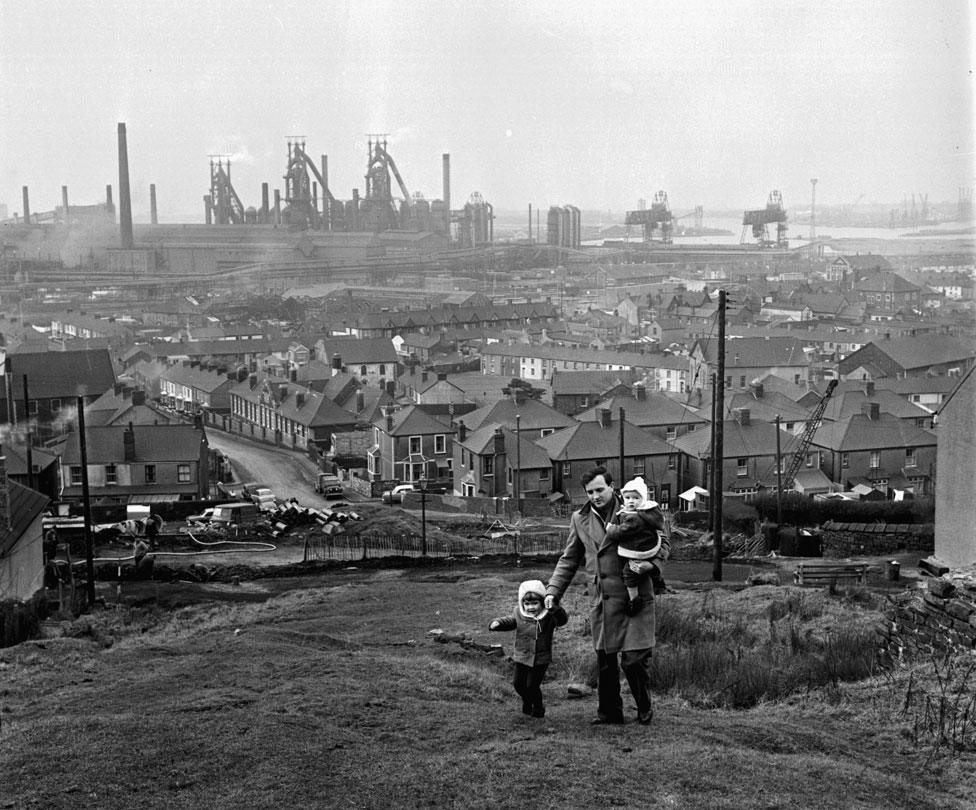
Current Project: Quantum Memory and the Unveiling of Being (2026-2027)
Quantum Memory is an installation documenting the last generation of Welsh industrial workers — steelmakers, miners, semiconductor technicians — before their embodied knowledge disappears entirely. Participants are large-format portrait subjects; their images are semantically encrypted using Heidegger’s Being and Time as cipher, then held in a state of superposition until a visitor performs a ritual act — holding an object made from the documented industry’s materials — which triggers a slow, 60-second decryption and reveal. Sound artist Robin Rimbaud (Scanner) is creating the sonic environment from field recordings and oral testimony drawn from the communities. The work sits at the intersection of phenomenology, archival practice, and installation art — not a monument to what was lost, but a live encounter with the moment before it disappears.
Projects in Development
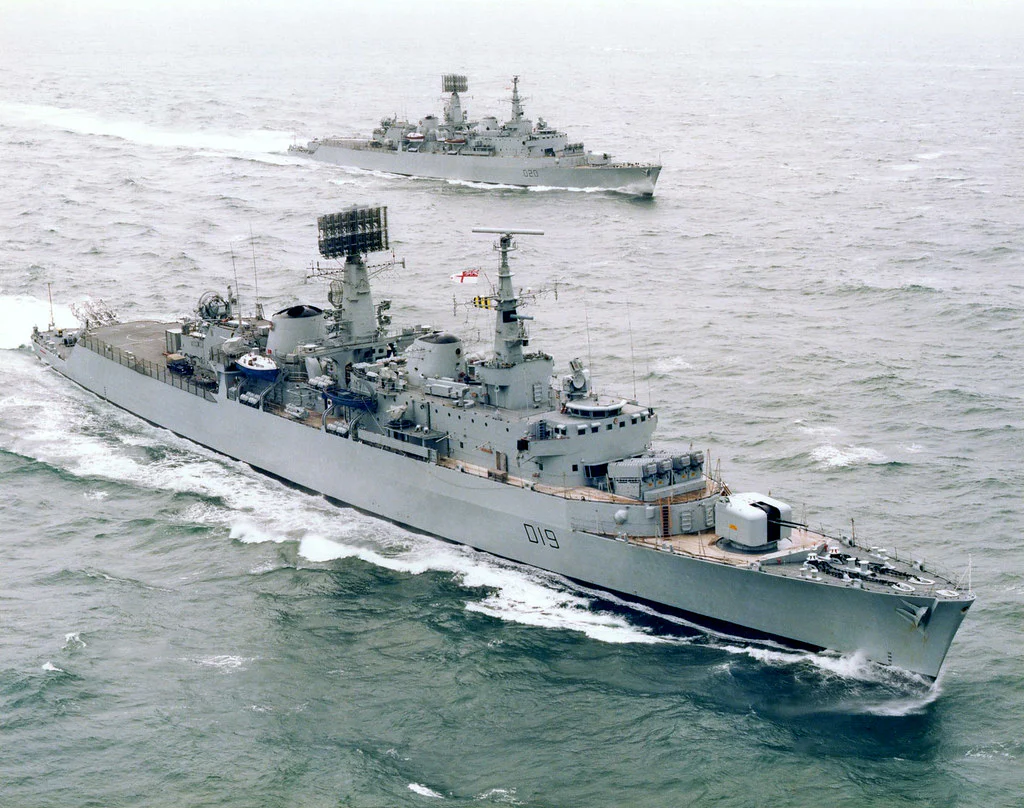
Other Lives (2026–2027)
A counter-archive installation built from five fabricated biographies — lives whose futures were foreclosed by the industrial and political collapse of late-twentieth-century Wales. Each subject is given a room, a period-accurate archive, and a future that never arrived. Drawing on phenomenology and archival practice, the work asks what it means to document a person who was never permitted to exist.
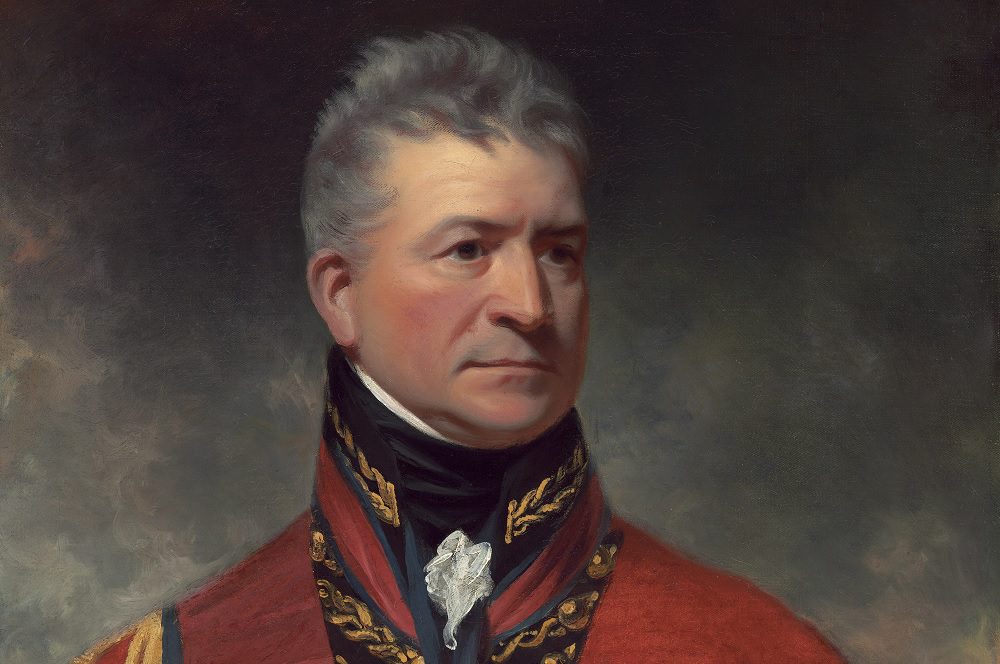
The Character (2027–2028)
An AI installation confronting Thomas Picton — soldier, colonial governor, and the most contested name commemorated in Wales. Where Quantum Memory restores presence, The Character performs erasure: a generative system speaking in Picton’s voice, defending and deflecting, drawing visitors into the uneasy mechanics of how a culture remembers, and forgets, the men it once honoured.
Infrastructure & Industrial Research
Ongoing photographic investigation of British infrastructure, industrial decay, and material systems. This documentary practice informs the conceptual frameworks and visual language of my installation work
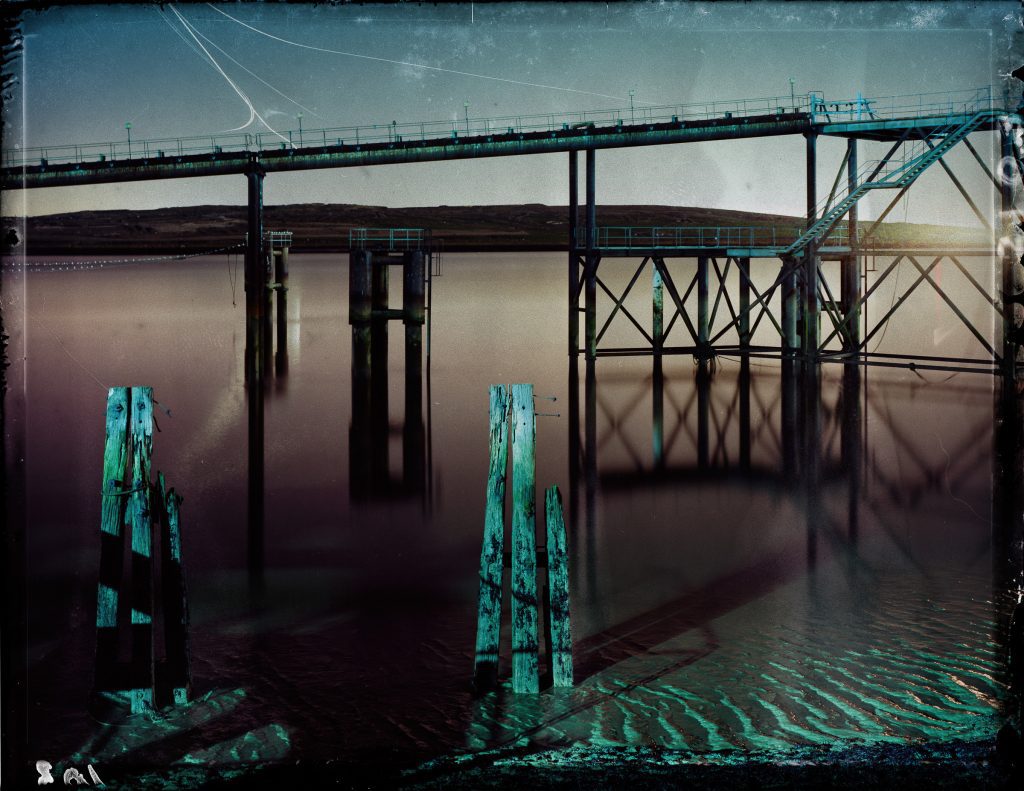
Loading Structure, Thames Estuary
Post-industrial remnants
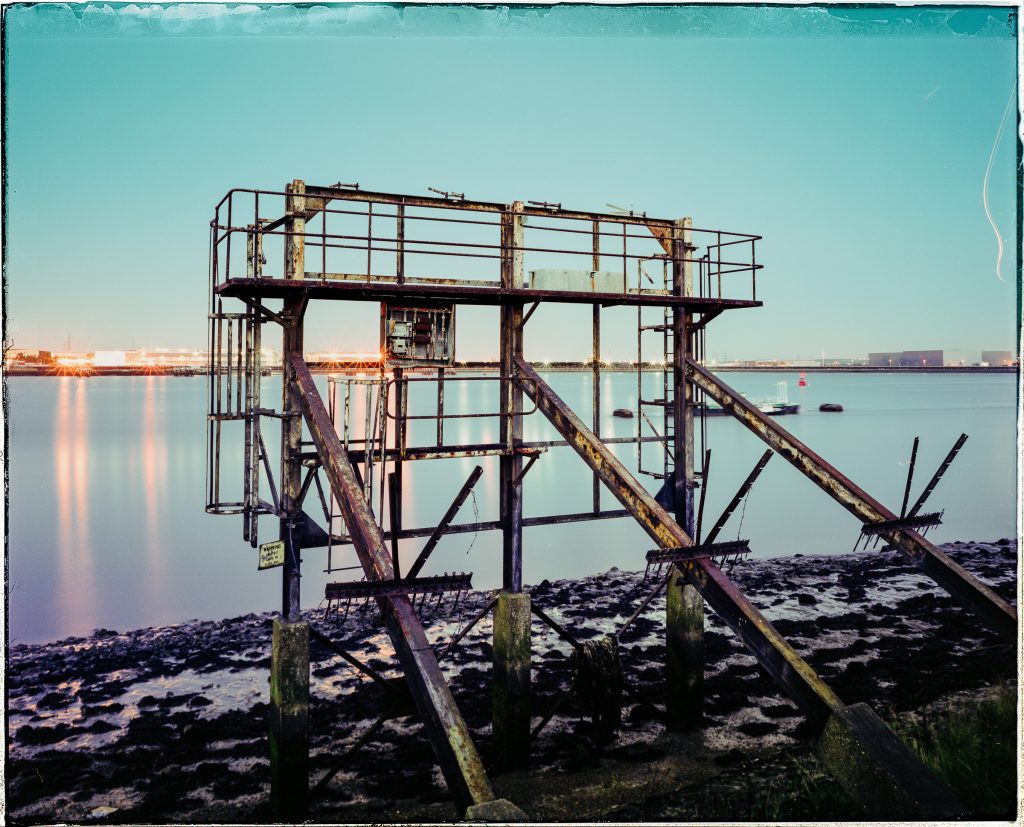
Derelict Thames Pier
Infrastructure & temporal compression

Industrial Remnants, Welsh Coast
Material impermanence