Quantum Memory and the Unveiling of Being (2026-2027)
A touring multimedia installation investigating Welsh industrial transformation through semantic encryption and ritual interface.
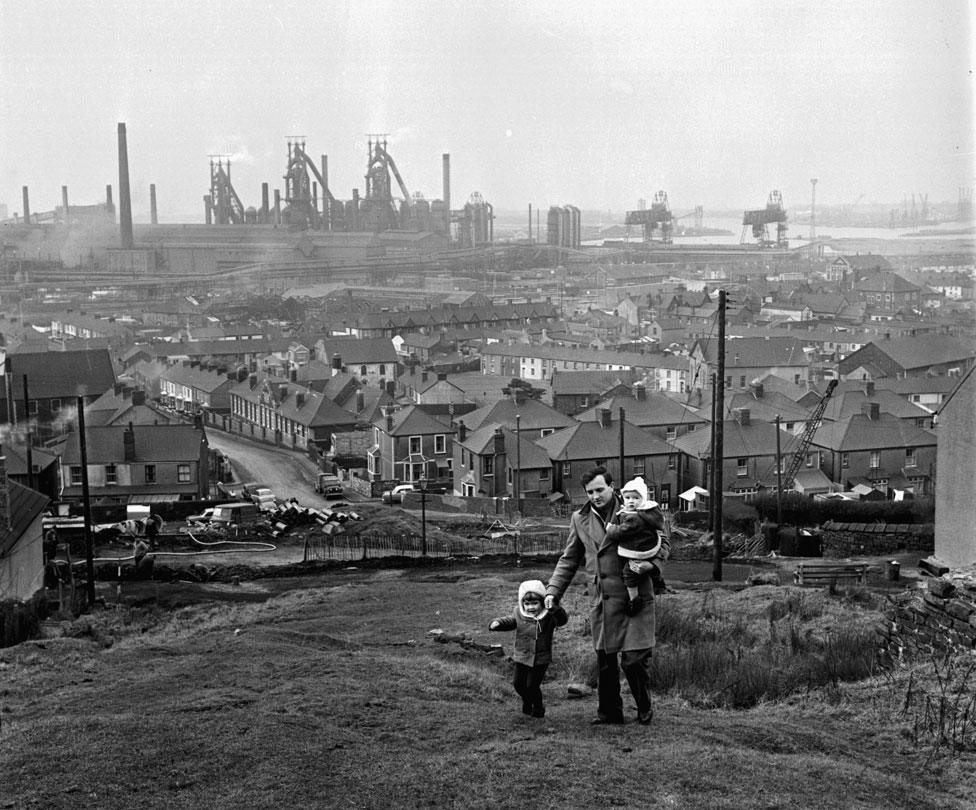
Quantum Memory is an installation documenting the last generation of Welsh industrial workers — steelmakers, miners, semiconductor technicians — before their embodied knowledge disappears entirely. Participants are large-format portrait subjects; their images are semantically encrypted using Heidegger’s Being and Time as cipher, then held in a state of superposition until a visitor performs a ritual act — holding an object made from the documented industry’s materials — which triggers a slow, 60-second decryption and reveal. Sound artist Robin Rimbaud (Scanner) is creating the sonic environment from field recordings and oral testimony drawn from the communities. The work sits at the intersection of phenomenology, archival practice, and installation art — not a monument to what was lost, but a live encounter with the moment before it disappears.
The World Below (2026–2027)
A photographic, cartographic, sound and text investigation of the landscape beneath Wales.
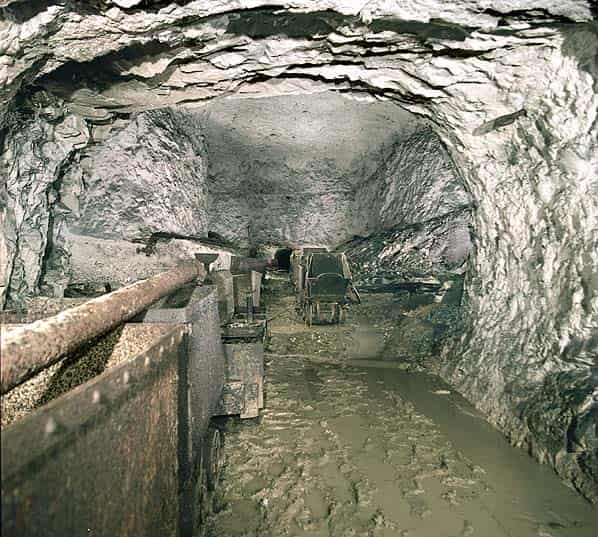
The World Below explores the second, constructed landscape of flooded roadways, shafts and coal faces lying hundreds of metres beneath the contemporary South Wales surface. The project surrenders aesthetic selection to a strict procedural methodology: historical abandonment plans are projected upward onto the modern landscape, and the coordinate determines the photograph. Each unselected surface image is paired with the historical plan of what lies directly beneath it — together with a stated degree of certainty for every fact, recording where two systems of measurement reach for the same rock and fail to agree.
In installation, photograph and plan are separated by a single handwritten page echoing the industry’s own documentation — the only human trace in the work. The sound contains no voices: water, stressed strata and geological pressure communicate the scale of the drowned workings, which are not only a past but a live system, now yielding heat where they once yielded coal. Sitting at the intersection of systems research, field survey and landscape photography, the work refuses the tropes of industrial nostalgia to ask a plainer question: how much of the world we inhabit exists beyond our immediate perception?
Phase 1 status: Pilot Roadway in active development, self-funded. The archive phase is underway — candidate collieries identified under a fixed shortlist procedure and judged by a fixed site-selection rubric, with a single underground roadway to be georeferenced and 10–15 sampling points plotted along its surface trace. The phase culminates in a pilot installation station testing the full exhibition grammar of print, page, floor-mounted plan and directional sound. Full master document available on request.
Other Lives (2026–2027)
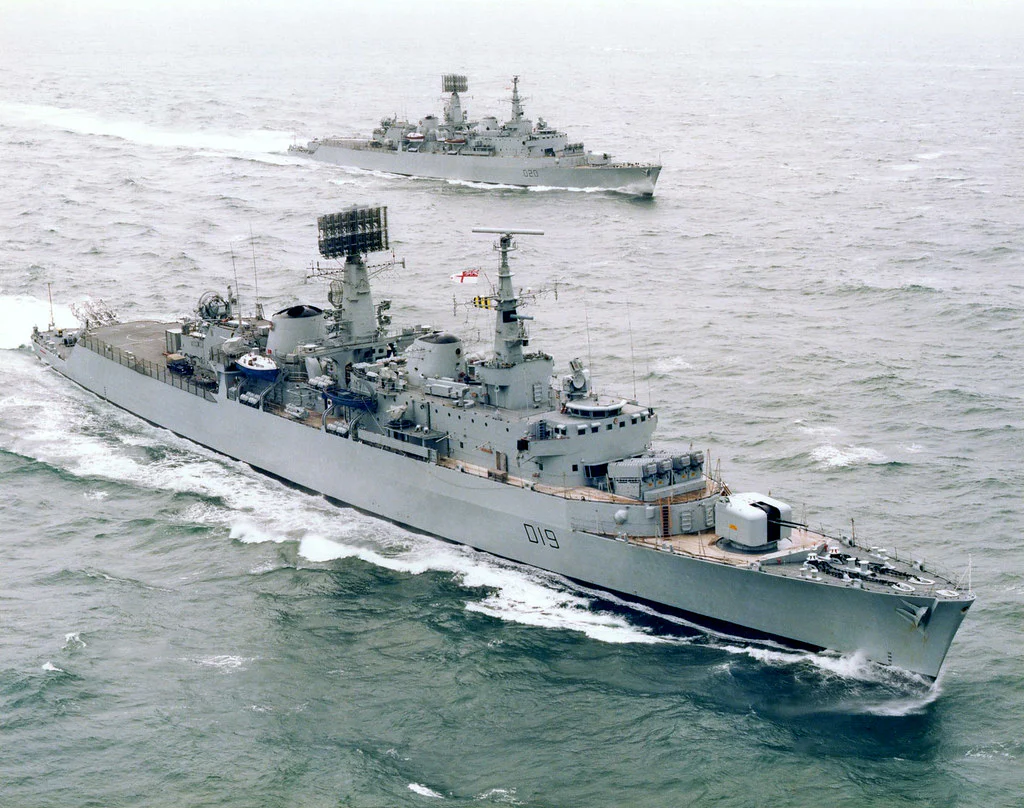
A counter-archive installation built from five fabricated biographies — lives whose futures were foreclosed by the industrial and political collapse of late-twentieth-century Wales. Each subject is given a room, a period-accurate archive of documents, photographs and objects, and a future that never arrived: a death in the Falklands, a life lost to industrial disease, a miner’s daughter, a man who left Wales, a Welsh speaker caught between language and economic need. The first subject is autobiographical — the life that would have ended aboard HMS Glamorgan on 12 June 1982. Drawing on phenomenology, archival practice and the methods of the historical record, the work asks what it means to document a person who was never permitted to exist, and treats the fabricated archive as a form of restitution.
Development Stage: Fully structured — master proposal and staged production strategy complete (August 2026). Room installations and period archives in development. Stage 0 underway: self-resourced Room One asset, with evidence-led institutional adoption to follow. Production targeted 2028. Full proposal available on request
Development Stage: Conceptual framework complete. In early development as the structural counterpart to Quantum Memory, with production research from 2027. Full proposal available on request
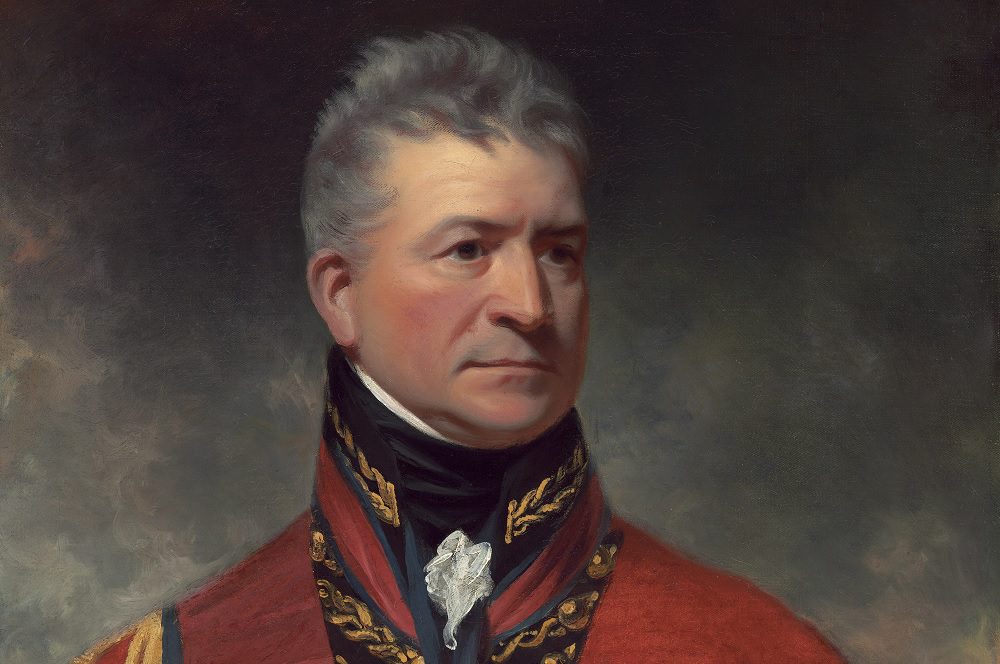
The Character (2026–2028)
An AI installation confronting the figure of Thomas Picton — soldier, colonial governor, and the most contested name commemorated in Wales. Where the preservation work of Quantum Memory restores presence, The Character performs its opposite: a structural inversion that stages erasure, evasion and the managed disclosure by which institutions handle their own histories of violence. Visitors encounter a generative system that speaks in Picton’s voice — defending, deflecting, refusing — drawing the audience into the uneasy mechanics of how a culture remembers, and forgets, the men it once honoured. The work extends an ongoing enquiry into institutional impunity and the architecture of accountability.